Tel: +86-20-3106 0625 Email: sales@motechmotor.com

Your location:Home >> APPLICATIONS >> Applications
ApplicationsWith the rapid development of industrial automation and smart manufacturing, motion control systems play a critical role in modern equipment. Among various motor technologies, stepper motors are widely used due to their precise positioning capability, reliable performance, and cost-effective design.
Stepper motors convert electrical pulses
into precise mechanical movement, allowing accurate control of position, speed,
and rotation. Because of these characteristics, they are widely applied in
automated machinery such as CNC equipment, packaging machines, medical devices,
and robotics.
This article explores the key applications
of stepper motors in automation equipment, their advantages, and important
considerations for selecting the right motor.
What Is a Stepper Motor?
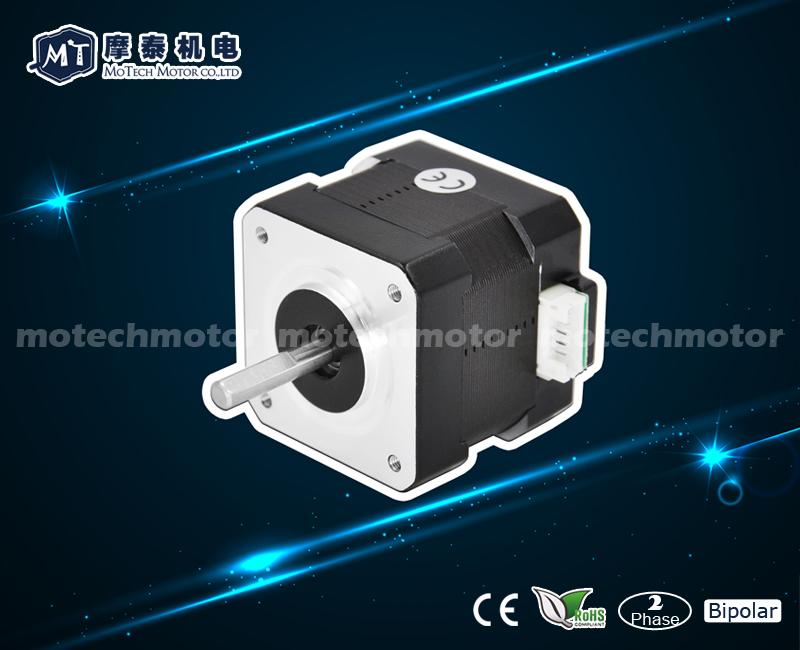
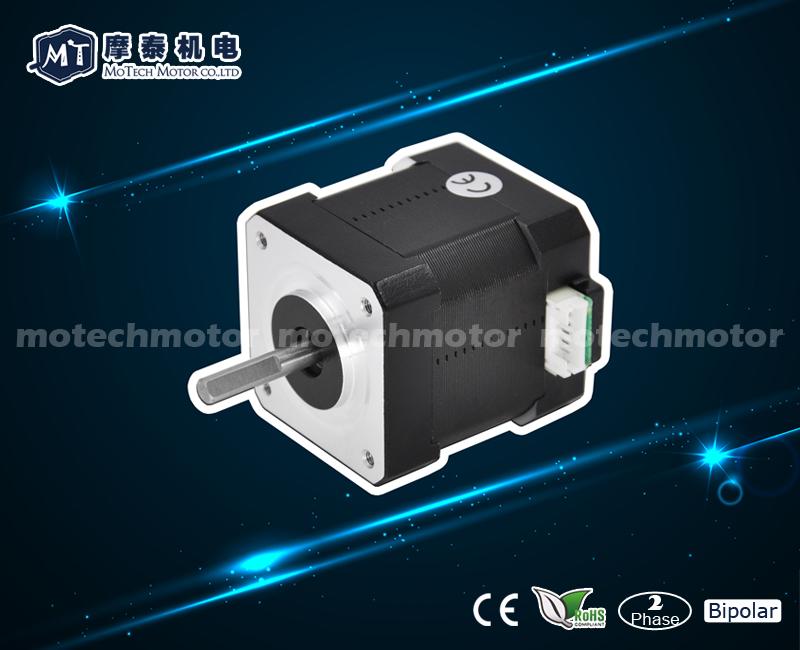
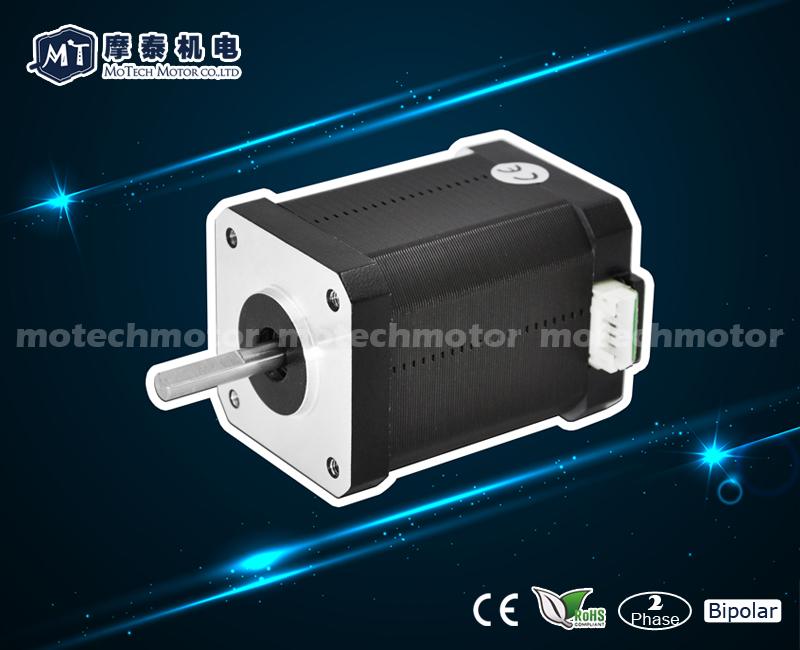
A stepper motor is a type of electric
motor that divides a full rotation into multiple equal steps. Each pulse signal
sent to the motor driver moves the motor shaft by a fixed angle, typically 1.8°
or 0.9° per step.
Common types of stepper motors include:
· Hybrid Stepper Motors
· Permanent Magnet Stepper Motors
· Closed Loop Stepper Motors
· Integrated Stepper Motor Systems
These motors are particularly suitable for
applications requiring precise positioning and repeatable motion control.
Why Stepper Motors Are Ideal for
Automation Equipment
1. Precise Position Control
Stepper motors move in fixed increments,
which makes them ideal for applications that require accurate positioning
without complex feedback systems.
Benefits include:
· High repeatability
· Precise incremental motion
· Easy integration with digital control
systems
For many automation systems, stepper
motors provide sufficient precision without the complexity of servo systems.
2. Cost-Effective Motion Control
Compared with servo motors, stepper motors
offer a simpler control architecture and lower overall system cost.
Advantages include:
· Lower controller cost
· Simpler drive electronics
· Reduced maintenance requirements
This makes them an economical choice for
small and medium automation machines.
3. Reliable and Durable Operation
Stepper motors have a brushless design,
meaning fewer components are subject to wear.
As a result:
· They have long service life
· Maintenance requirements are minimal
· Operational stability is high
This reliability makes them ideal for
continuous industrial operation.
Major Applications of Stepper Motors in
Automation Equipment
1. CNC Machines
Stepper motors are commonly used in
Computer Numerical Control (CNC) equipment to control movement along the X, Y,
and Z axes.
Typical applications include:
· Milling machines
· Engraving machines
· Laser cutters
· CNC routers
Stepper motors provide accurate control of
tool positioning and feed rates, making them suitable for precision machining
tasks.
2. Automated Packaging Machines
In packaging automation systems, stepper
motors control precise motion such as:
· Product feeding
· Film positioning
· Label placement
· Sealing mechanisms
Because packaging machines require consistent
repeatability, stepper motors help ensure stable production and product
quality.
3. Industrial Robotics
Stepper motors are widely used in smaller
robotic systems and robotic accessories.
Examples include:
· Robotic arms
· Pick-and-place machines
· Inspection robots
· Laboratory automation systems
Their accurate positioning capability
allows robotic systems to perform precise movements.
4. 3D Printers and Additive
Manufacturing
Stepper motors are essential components in
most 3D printing systems.
They control:
· Print head movement
· Build platform positioning
· Filament feeding mechanisms
The ability to achieve micro-step
precision ensures accurate layer placement during the printing process.
5. Medical and Laboratory
Equipment
In medical automation equipment, stepper
motors are used in devices such as:
· Automated analyzers
· Syringe pumps
· Sample handling systems
· Diagnostic instruments High
repeatability and reliable performance are crucial for medical applications.
Key Considerations When Selecting a
Stepper Motor
Choosing the correct stepper motor is
essential for optimal automation performance.
Important factors include:
Required Torque
Calculate the torque needed based on:
· Load weight
· Acceleration requirements
· Transmission system (belt, screw, or
gear) Selecting insufficient torque can cause missed steps.
Speed Requirements
Stepper motors lose torque at higher
speeds, so it is important to review the speed-torque curve provided by the
manufacturer.
Motor Size and Frame
Common frame sizes include:
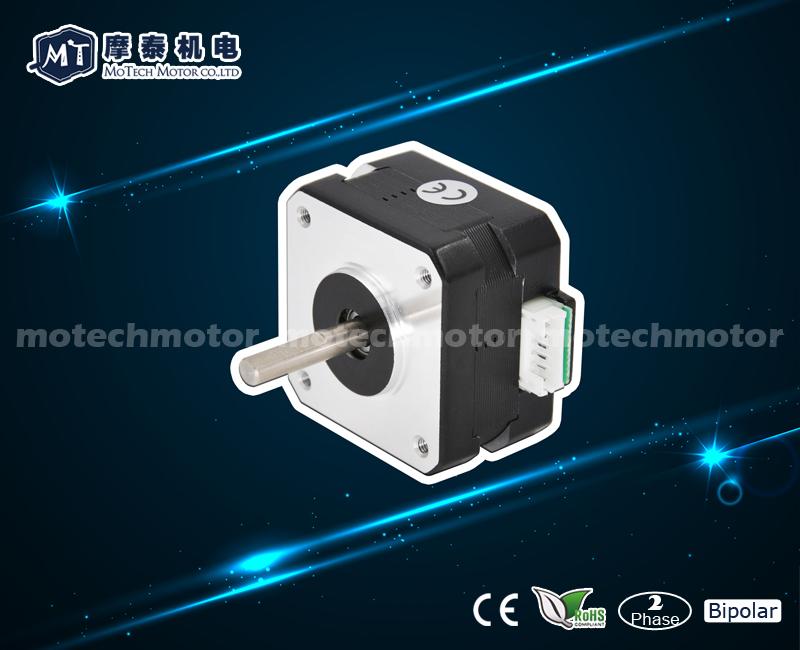
· NEMA 17
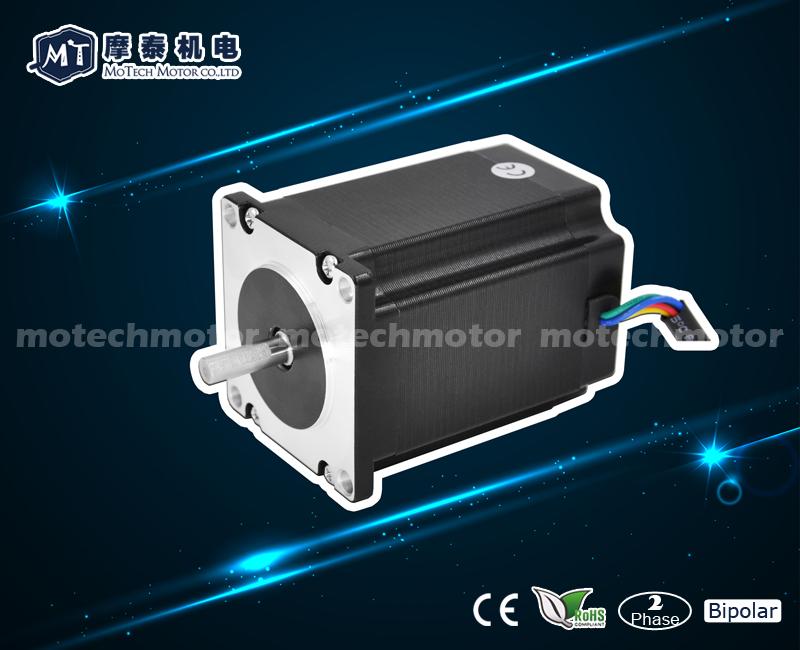
· NEMA 23
· NEMA 34
Each size provides different torque and
performance characteristics.
Driver Compatibility
Proper driver selection ensures smooth
operation and efficient motor performance. Important parameters include:
· Operating voltage
· Current rating
· Microstepping capability
For more details, please click here:How to choose the right stepper
motor?
Future Trends in Automation Motion Control
As automation technology advances, stepper
motors are also evolving.
Key trends include:
· Closed loop stepper systems
· Higher efficiency motor designs
· Integrated motor and driver systems
· Smart motion control with IoT
connectivity
Closed loop stepper motors, in particular,
are gaining popularity because they combine the simplicity of stepper motors
with the feedback capability of servo systems.
Conclusion
Stepper motors have become an essential
component in modern automation equipment. Their precise positioning capability,
reliable operation, and cost-effective design make them suitable for a wide
range of industrial applications.
From CNC machinery to packaging systems
and robotics, stepper motors continue to play a vital role in improving
manufacturing efficiency and automation performance. Choosing the right stepper
motor and driver combination ensures stable operation and long-term reliability
in automated systems.
Contact Us
If you are looking for a reliable stepper
motor manufacturer for automation equipment, MOTECH MOTOR provide:
· High precision hybrid stepper motors
· Closed loop stepper motor systems
· OEM customization services
· Bulk supply for industrial automation
projects


Scan QRCode
Follow Stepper Motors, Step-Servo Motors, Stepper Drivers News
 Tel: +86-20-31060625
 Fax: +86-20-31060635
 Email:sales@motechmotor.com
 Add.:Block 15th, Tian An Hi-tech Ecologocal Park, No.555, Panyu Avenue North, Panyu distrct, Guangzhou, China (511400)